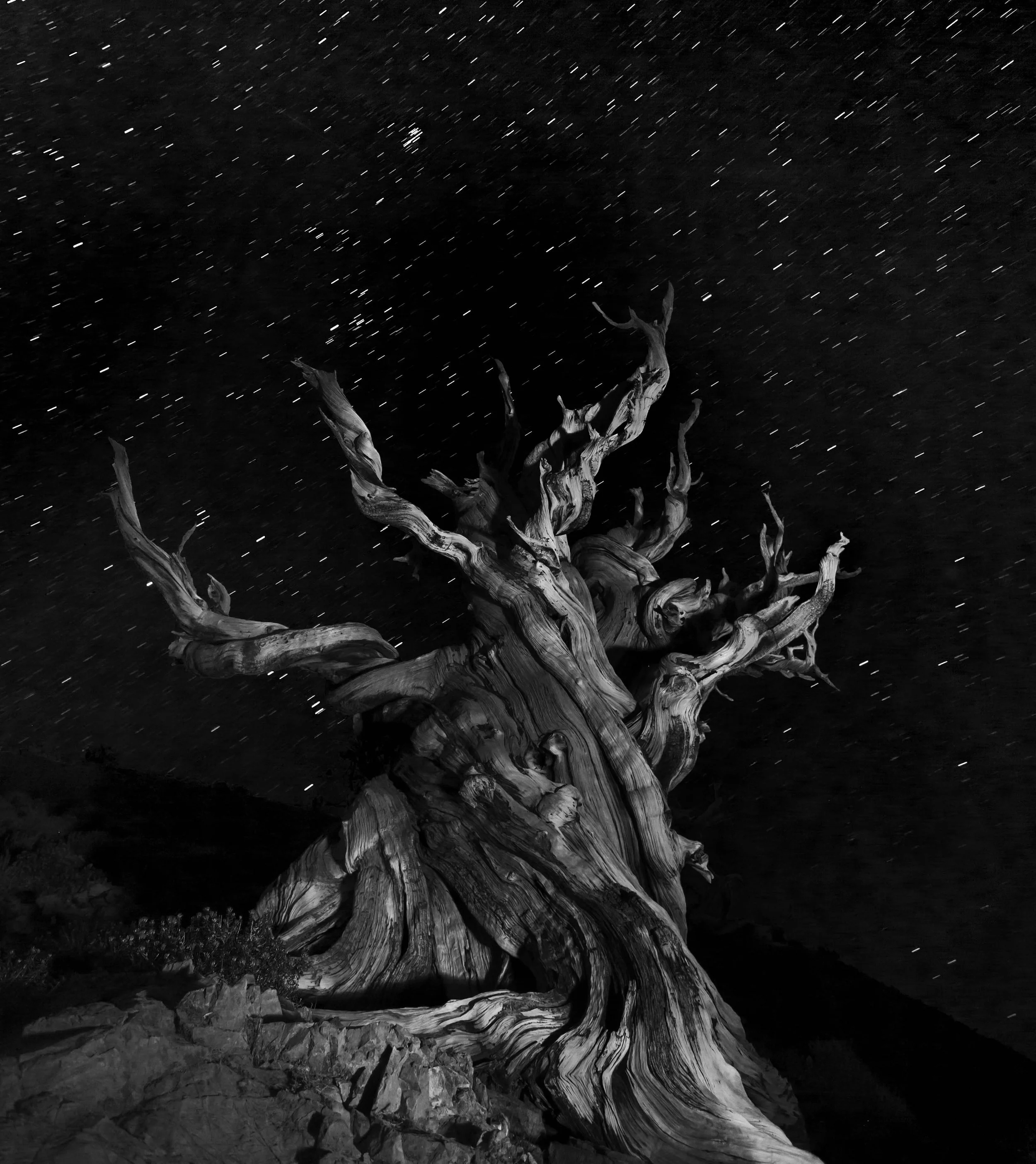
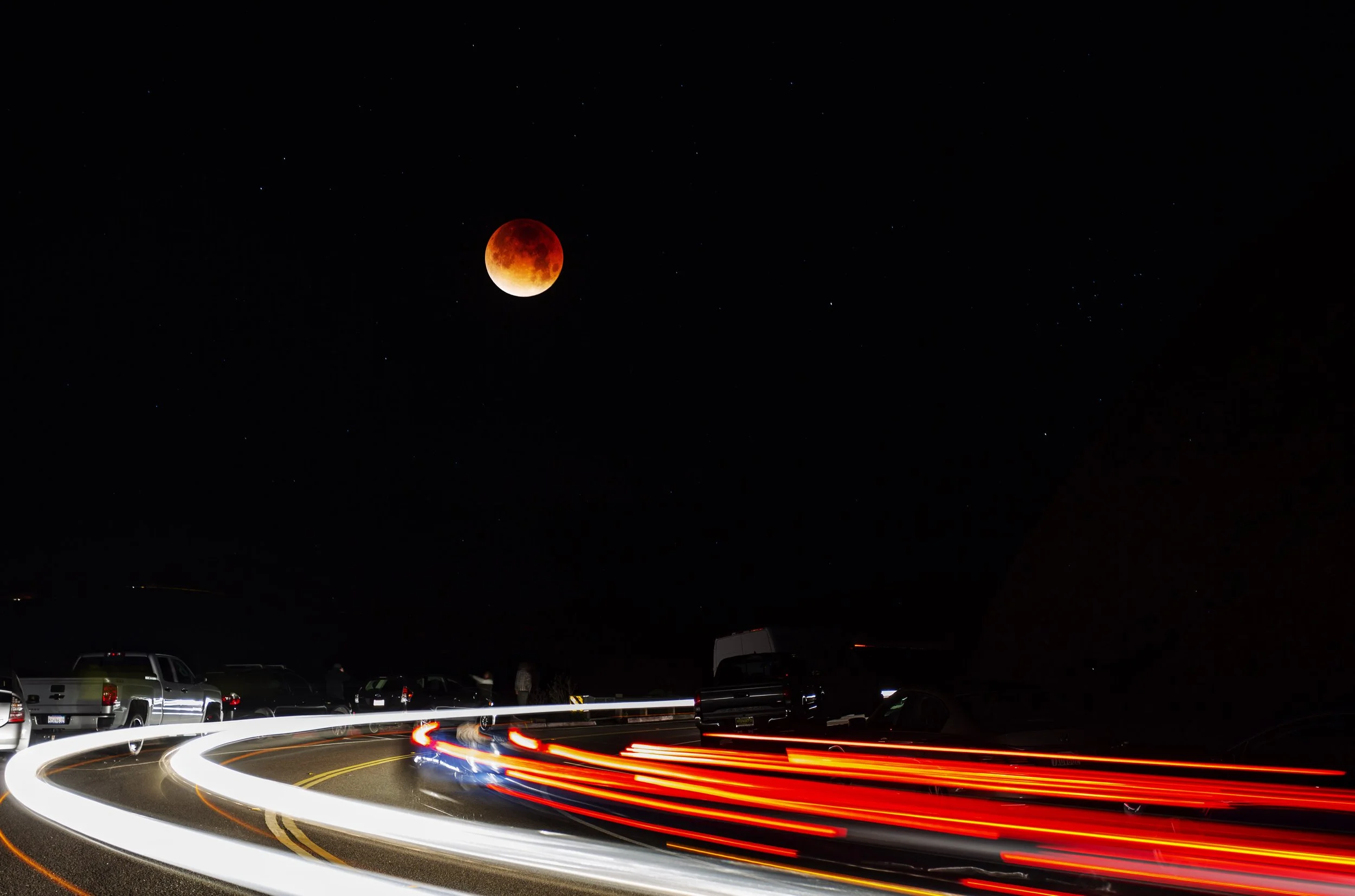
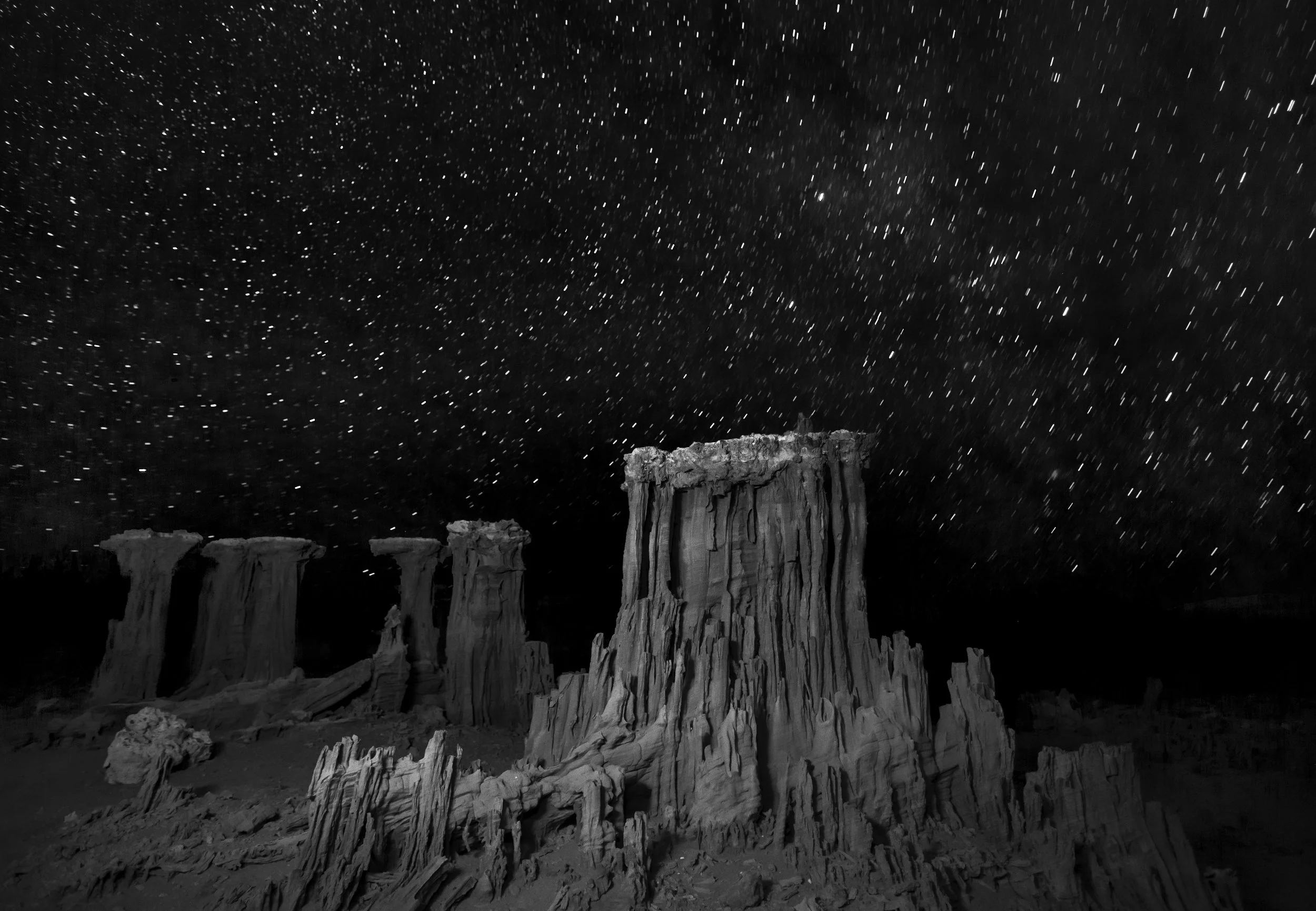
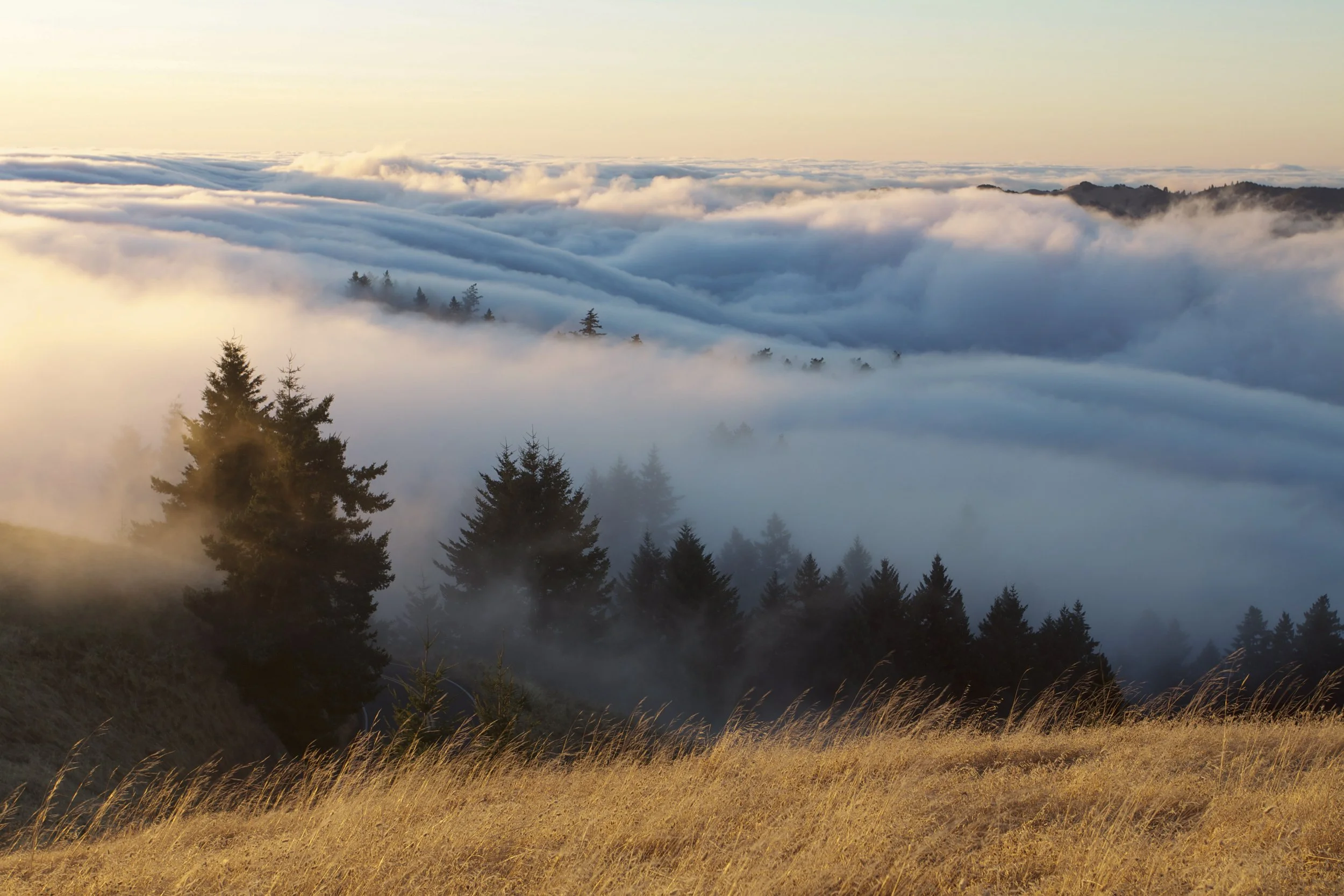
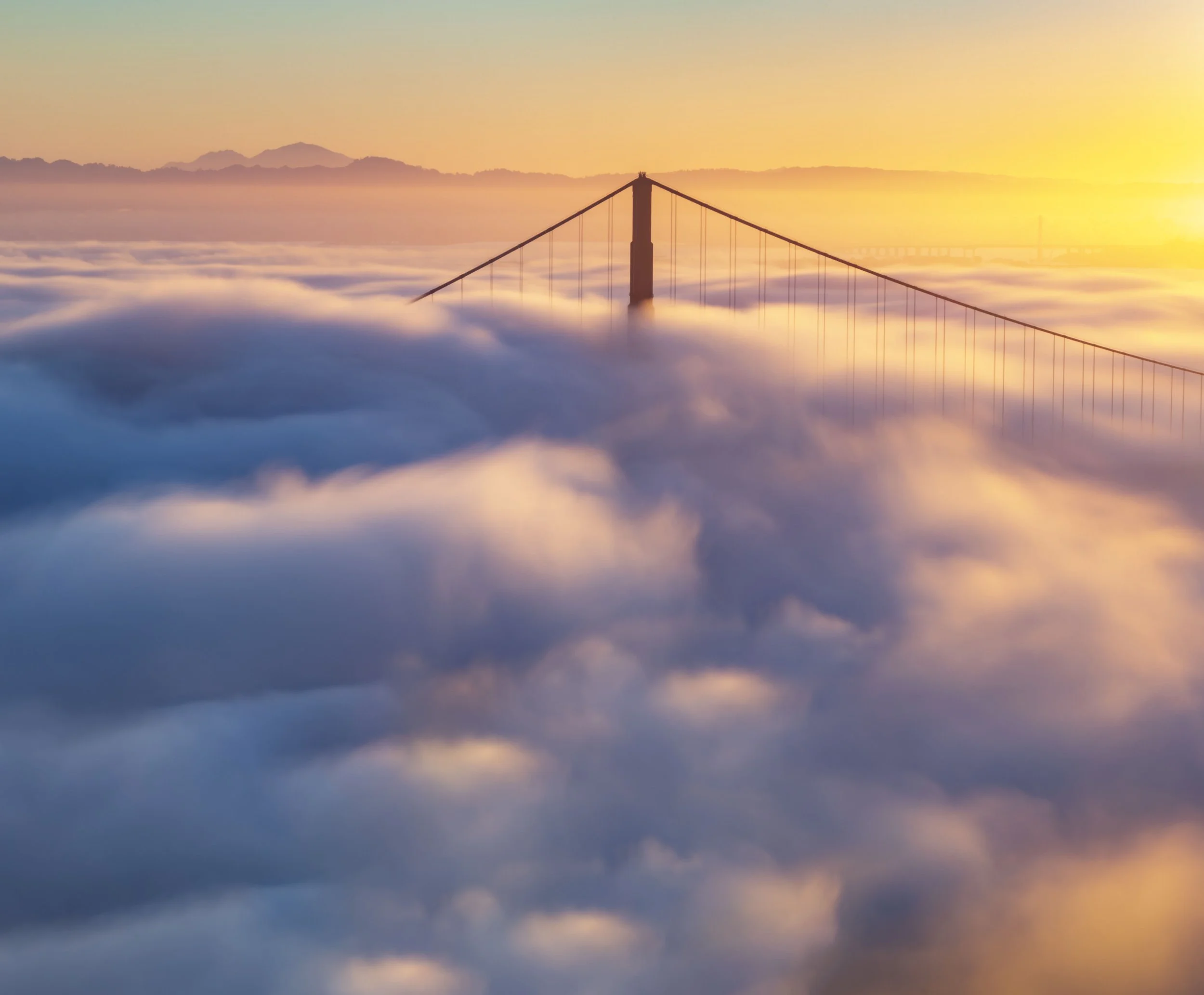
A Life Between the Himalayas and the Wild I was born in the remote village of Bhalche, in the northern hills of Kathmandu, Nepal. Growing up surrounded by the Himalayas, forests, rivers, and open skies, nature became part of who I am. The mountains were my childhood, my teacher, and the place where my love for the natural world began. At fifteen, I left my village for Kathmandu. Years later, in 2004, political instability led me to immigrate to California. Far from Nepal, I found myself drawn to California’s mountains, forests, coastlines, and wilderness. They reminded me of home. Photography became my way of reconnecting with nature, honoring its beauty, and sharing what I see with others. For me, photography is more than taking photographs—it is about preserving memories, creating awareness, and inspiring people to protect the places we love. My connection to Nepal has also become a commitment to give back. With generous support from friends and community members, I have helped build three schools in remote communities of Nepal—an elementary school, a high school, and a college—bringing education and hope to children who once had limited opportunities. Today, my life is a bridge between the Himalayas where I began and the wild landscapes of California that continue to inspire me.
Following the earthquakes, many children were forced to study outdoors or in temporary classrooms because their schools had been destroyed. Due to the high elevation, they were exposed to extremely cold weather, making it difficult and unsafe for them to continue their education. Temporary classrooms were constructed with thin sheets of corrugated metal, offering little protection from the harsh winter conditions. Recognizing the urgent need for safe and permanent learning environments, we worked to rebuild three schools in affected communities. These schools were constructed using strong, durable materials, including reinforced steel rebar and concrete, and were designed with the guidance and expertise of qualified building engineers. Our goal was not simply to replace the damaged buildings, but to create safer, stronger, and more resilient schools where children could continue their education with dignity and security.
Earthquake Disaster In 2015, a 7.8 magnitude earthquake struck Nepal, devastating thousands of schools in remote areas. With countless children left without educational facilities, the local government constructed temporary classrooms using zinc metal sheets. However, these makeshift structures provided little protection against harsh winds, leaving students vulnerable to the cold and frequent illness. Thanks to the support of family, friends, and the community,From Helplessness to HopeI still remember the morning in 2015 when I woke up to an unimaginable reality. As I opened social media, I saw images of crumbling buildings, people running through the streets, and others lying helplessly in the roads. For a moment, it felt like I was watching a devastating movie—something so unreal that my mind struggled to comprehend what I was seeing. Then my wife called. A massive earthquake had struck Nepal. Homes had collapsed. Entire communities had been destroyed. Thousands of lives had been lost. In that moment, I realized I was not watching a movie.I was witnessing the devastation of my native country. My heart broke. I felt overwhelmed, helpless, and deeply afraid for my family, friends, and the countless people whose lives had changed in an instant. The scale of the disaster was difficult to comprehend, and I kept asking myself one question:How can one person possibly make a difference when so many people have lost everything? But I knew I could not simply stand by and do nothing. I began speaking with friends and members of my community about how we could help. One dear friend, whose compassion and kindness deeply inspired me, suggested that we create a crowdfunding campaign to support earthquake survivors.I immediately agreed. I began reaching out to friends, colleagues, and members of the community, asking them to support Nepal’s recovery. What happened next reminded me of the incredible power of human compassion.People responded with extraordinary generosity. Our first priority was simple: survival.Families had lost their homes, their belongings, and in many cases, access to food. We raised funds to purchase essential supplies—rice, lentils, salt, and cooking oil. From thousands of miles away, I stayed in constant communication with people on the ground in Nepal, including my brothers, coordinating the purchase and distribution of food. But eventually, I realized that I could not remain so far away.I needed to go home. I wanted to meet the survivors, listen to their stories, share their grief, and stand beside them—even if I could only stay for a short time.Before I arrived in Nepal, my brother began purchasing supplies. Soon after, we traveled toward my home region of Bhalche with four large trucks loaded with food. As we made our way through the devastated landscape, I kept thinking about the families waiting for us. I wished I could do more. I wished I had enough resources to rebuild every home and provide long-term support to everyone who had lost everything. But we had not raised enough money to rebuild an entire village. Still, I reminded myself of something important: Helping one family, one household, or one community is always better than doing nothing. When we arrived in Bhalche, thousands of people were waiting.The need was overwhelming. So was their gratitude. We distributed approximately 50 pounds of rice, 5 pounds of lentils, 2 pounds of salt, and cooking oil to each household. In total, we were able to provide essential food supplies to approximately 1,200 families. But what I witnessed next changed the direction of my life. I visited the local schools and saw young children sitting on cold ground inside temporary classrooms made from zinc sheets. There were no proper doors or windows. The children were exposed to the cold and harsh weather conditions.As I watched them, memories of my own childhood came flooding back. I remembered what it felt like to sit on a cold floor. I remembered feeling uncomfortable, sick, and vulnerable. Seeing those children facing similar conditions broke my heart.When I returned home to Mill Valley, I carried the weight of everything I had seen. For months, I struggled emotionally. I felt overwhelmed by the destruction, the suffering, and the feeling that there was still so much more that needed to be done. But eventually, I realized that I had a choice. I could allow helplessness to consume me—or I could transform that pain into purpose. So I reached out to my friends again. This time, I told them that I wanted to help rebuild the schools.Once again, people responded with extraordinary generosity. Friends and supporters from the United States, Nepal, and around the world believed in the vision and helped us raise the funds needed to move forward. Our goal was ambitious: to build safe, earthquake-resistant schools for children and communities rebuilding their lives. I asked my brother and friends in Nepal to work with engineers to design the buildings according to recommendations from the district government. After receiving approval, we began searching for contractors.We soon discovered that hiring contractors for every aspect of the project would make it difficult to build more than one school with the funds we had raised. After consulting with friends and community members, we made an important decision. We would purchase the construction materials ourselves and manage the building process directly. It was a challenging decision—but it allowed us to stretch every dollar further. And because of that decision, we were ultimately able to build three schools. But I did not want to simply raise money from thousands of miles away and watch the buildings go up through photographs. I wanted to be there. I wanted to work alongside the people whose lives we were trying to help.So I took three weeks off from work and traveled back to Nepal to volunteer during the construction. I had never worked in construction before. The work was physically demanding. My hands hurt. My back hurt. There were days when exhaustion pushed me to my limits. But those three weeks became one of the most meaningful experiences of my life. I worked side by side with local people. I learned from them. We shared meals, stories, laughter, and difficult moments. Through that experience, I developed a much deeper connection to the community and a greater understanding of what rebuilding truly means. There was another part of the project that made me especially proud.We hired local workers. Our goal was not simply to construct school buildings. We wanted the rebuilding process itself to create opportunities.By hiring people from the local community, the project provided income for families who were struggling to recover from the earthquake. The work helped people support their families, regain dignity, and begin rebuilding their own lives. Looking back, I realize that this entire journey began with a feeling of complete helplessness. I woke up one morning and saw unimaginable destruction on a screen. I felt powerless. I believed that one person could never do enough to make a difference. But I learned something that has stayed with me ever since:We do not need the power to solve every problem. Sometimes, we simply need the courage to take the first step. One friend’s idea became a crowdfunding campaign. That campaign became food for 1,200 per household, it means more than four thousand people. The food distribution became a commitment to long-term recovery.That commitment became three schools. And those schools became symbols of hope for children and communities working to rebuild their future. None of this would have been possible without the generosity, trust, and compassion of friends and supporters in the United States, Nepal, and around the world. I may not have been able to rebuild every home. I may not have been able to help every family affected by the earthquake. But I learned that meaningful change does not always begin with having enough money, enough resources, or enough powerIt begins with caring enough to try. The earthquake took lives. It destroyed homes. It shattered families and communities. But in the midst of unimaginable devastation, I also witnessed something profoundly powerful: Human beings coming together to help one another.That experience changed my life. It taught me that even when we feel powerless in the face of disaster, compassion can become action.Action can become hope. And hope can help rebuild a community. Sometimes, we cannot change the entire world. But we can change someone’s world. And sometimes, that is where healing begins.The Devastating Condition of Schools After the Earthquakes